Written by: Dhanhyaa Phillipson

A few months into navigating life as a new vegan, I learnt that many non-vegans, who are interested in ditching animal products, often find it hard to stick to a plant-based lifestyle.
Hearing how overwhelming going vegan might seem to them, I decided to write this article from my personal experience in hopes that this mountain isn't too steep of a climb.
This guide consists of two main parts: Building a strong foundation for a vegan lifestyle and Making the best of it. Without further ado, let's jump right into it.
Building a strong foundation
Know the why of veganism
Cry your eyeballs out while watching animal exploitation and cruelty videos. The ethical element is the very core of veganism.
The Malaysian Vegan family would highly recommend sparing your evening to watch Dominion (narrated by Joaquin Phoenix, Rooney Mara, Sia, Kat Von D and the gang) and Gary Yourofsky's Most Important Speech You Will Ever Hear.
These videos will turn your evening into a truly eye-opening one as you'll finally get to see the truth that's been hidden from you all along and that's enough to turn you off animal products for good.
Artwork created and posted by Pilu. You can click on the image to view her post and check out more of her great masterpieces.
Think of animals as your loved ones and not food
Imagine replacing the animals in the cruelty videos with the people you love and your furkids (if you have any). How does that make you feel? Do you seriously wanna eat someone who once lived a life walking, crawling, swimming, eating, defecating, smiling, frowning, crying and so on?
Think about how disgusting the supermarket's meat section is
Do you seriously wanna eat a corpse on display? Can't you smell the blood and rotting flesh? 🤢 That meat counter looks worse than a morgue.
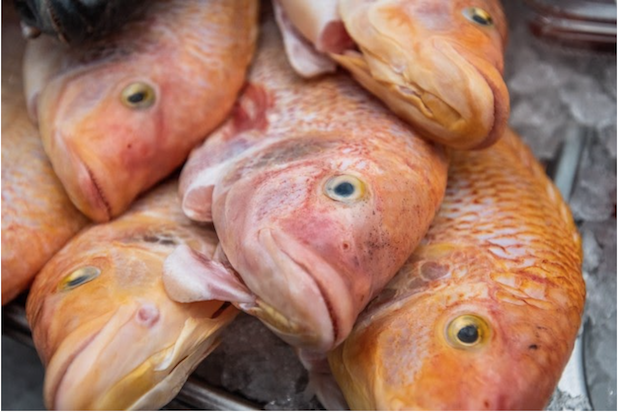
Image credit: Jo-Anne McArthur / We Animals
And even if you're a vegetarian, you don't wanna be putting cattles' pus, hens' periods and bees' vomit into your mouth, do you?
Veganism also comes with its environmental and health bonuses
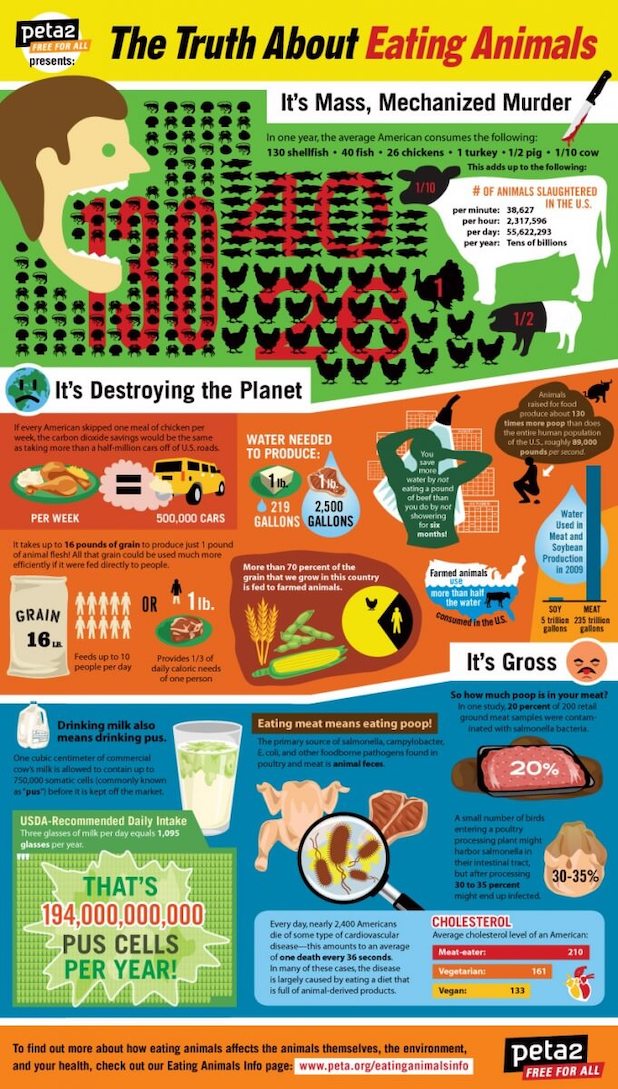
Not only are we minimising the suffering of animals in the best possible way, we're also minimising the damage caused to the planet and to our health as a result of ruthless industries that have played a huge role in normalising such cruelty and damage to pretty much everyone.
To know more about the side effects of not going vegan if you have a Netflix account (really sorry to those who don’t), I’d highly recommend you watch Cowspiracy, The Game Changers and What The Health.
Making the best of a vegan lifestyle
Keep in mind that veganism is meant to minimise animal pain in practicable ways
We know we can't save everyone like those bugs who get sprayed with pesticides. But we can still save as many animals as we can by avoiding what's avoidable.
Know what's avoidable?
Eating meat, eggs, dairy and honey. But that's just the plant-based diet. You could also try avoiding clothes, forms of entertainment, lab tests and furkid keeping that involve the exploitation and cruelty towards animals.
Image shows a post by Anonymous for the Voiceless. You can click on the image to view the post on Instagram.
Learn to be innovative with food and know your substitutes
You'd be taken aback when we say that we're not gonna tell you to take "baby steps" by just doing Meatless Mondays or being a vegetarian first. As you'd learn from watching the animal cruelty videos I mentioned earlier, vegetarianism and part-time veganism still aren't helping the cause for animal liberation as you'd still be contributing to the demand and supply of animal product industries, where all the issues we're standing up against are happening.
Think of it like this. If you see a child or a woman being beaten, you don’t tell the abuser to reduce the beating. Instead, you tell him to stop. It’s the same with animals, who are sentient just like us. So why discriminate when it comes to animals when their capacity to think or to feel pain is evidently the same as ours?
That’s why we strongly encourage you to replace all your meat, eggs, dairy and honey with mock meat (which primarily serves to help non-vegans transition without harming animals), vegetables, fruits, legumes, tofu, tempeh, mushrooms and so many more plant-based alternatives. We wanted to make sure that people in the Klang Valley have access to plant-based alternatives, so we started Vegan District.
Image shows a post by Vegan District. You can click on the image to view the post on Instagram.
And there's a wealth of resources online, especially on social media, which makes it easier for you to follow vegan chefs, foodies, eateries.
To add to this, you can also follow plant-based health professionals, bodybuilders and parenting experts to find out more about plant-based nutrition, be inspired to be a healthier vegan and even raise healthy vegan babies and kids.
Image shows a post by a vegan nutritionist who provides tips for feeding vegan kids and babies. You can click on the image to learn to ensure that your vegan kiddos get their nutrients while enjoying their food.
I can suggest two main resources for you to get started: Challenge 22 and Veganuary. They’re basically global challenges for non-vegans and new vegans to try a vegan lifestyle for a certain number of days (22 days for Challenge 22 and 1 month for Veganuary). During these challenges, the participant will be given a lot of resources for recipes, tips and motivation. If you need someone to be there for you, Challenge 22 would be a preferable choice because it has mentors and registered dietitians to guide you.
Join your local vegan community for additional support, empowerment and resources
Just like the previous point about referring to online resources, you can learn something from interacting with other fellow vegans in your area. Personally, when I joined some local vegan groups like our Malaysian Vegan group, I've gained some insights about more specific ways to enjoy a vegan lifestyle such as where to find vegan cakes and how to cook your favourite local delicacy. And while you're engaging with other fellow vegans and people who are interested in veganism, offer support to them, instead of being a vegan bully.
Tell people you're vegan
Learn ways to communicate your vegan dietary needs with the people who serve you food like your family, friends, colleagues, restaurants etc. Find the best way to make them understand veganism and how they can cater to your request. I know this part seems pretty challenging and I saved this for last because it’s something even I am still trying to get the hang of, but you'd be surprised to know that some people can be accommodating.
In a nutshell (yes, I know some of us vegans love nuts but the pun was not intended. Or was it?)
The mistake most vegans tend to make is that they focus too much on one aspect of a plant-based lifestyle that they tend to forget the other. I find that some vegans will either focus on just the ethical aspect or just the health or food aspect. But you can’t do one without the other.
People need both a strong why and assurance that they can still enjoy good plant-based food and products. The core of veganism tells us that the “food products” of animal injustice like meat, dairy, eggs and honey are NOT FOOD. Knowing that non-vegan food is non-food is how I’ve managed to steer clear of non-vegan “food”.
But there’s always gonna be concerns about getting enough of a certain nutrient or whether you can still enjoy your favourite bowl of laksa after you promise yourself to become vegan and stop contributing to animal suffering.
So as I said earlier, fill up your gram feed with pages providing useful and credible resources and surround yourself with other vegans who, just like you and I, wish to see a world where no animal has to be harmed in the name of business, culture and pleasure, when such harm is actually avoidable and has no valid justification.
About the author
Apart from being a black sheep who wants to grow wings and fly, Dhanhyaa loves to write so much that she even has a writing portfolio.